Back Pain
Learn more




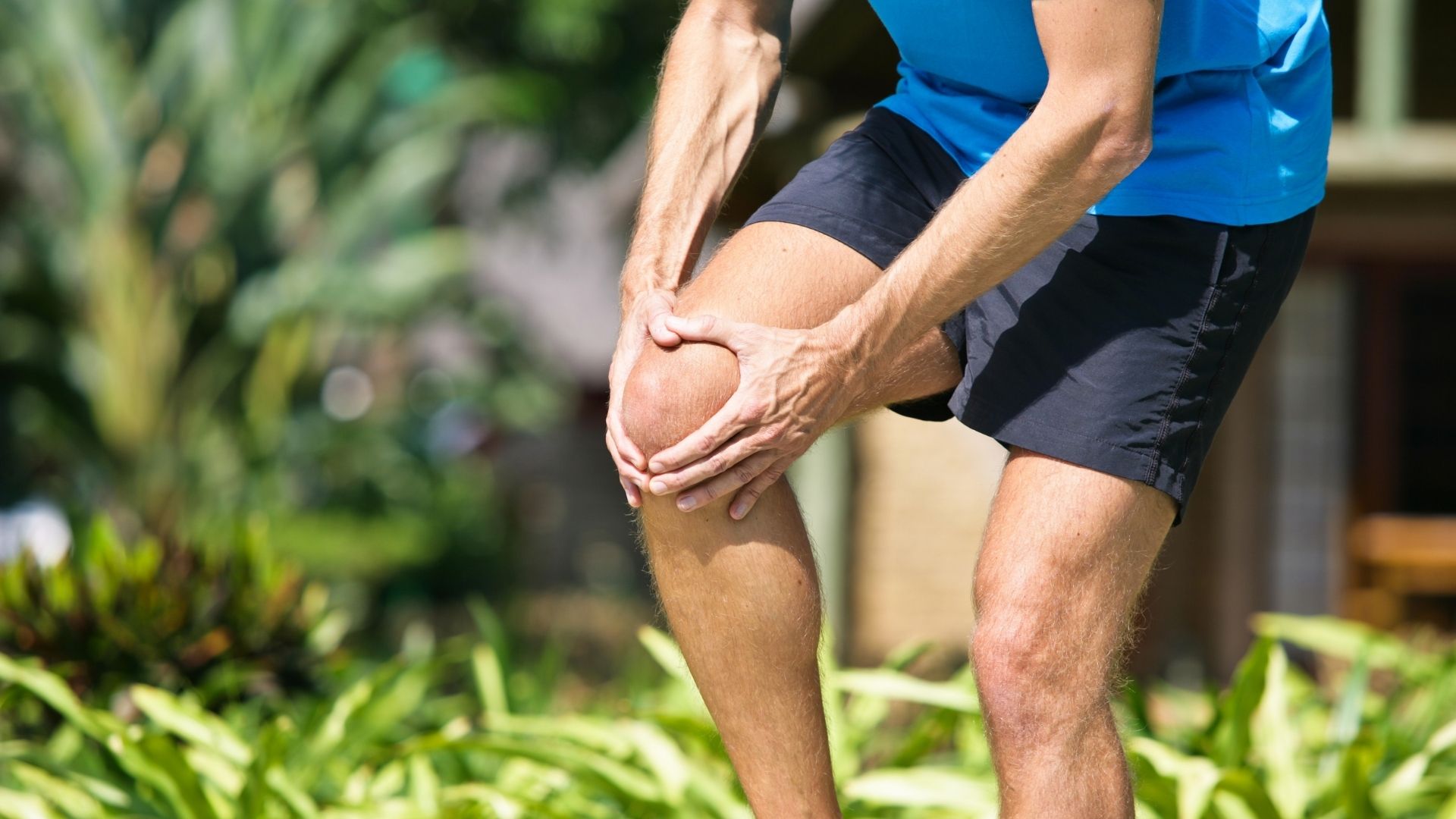

Injuries to the tibiofemoral joint tend to be traumatic , commonly due to to excessive twisting and turning motion, and may result in damage to any of the 4 stabilising ligaments and the menisci.
ACL – The Anterior Cruciate Ligament (ACL) rupture is the knee injury that usually takes the longest time to return to sport and is commonly seen at Recovery & beyond. ACL rupture results in instability of the knee , for many people the most appropriate intervention would be surgical ACL reconstruction but for some conservative management may be more suitable. Rehabilitation after ACL reconstruction takes time , is very specific , and is done under the guidance of a Physiotherapist. We will liase closely with your surgeon , we have very good working relationships with the local Surgeons and regularly receive referrals directly from them . Non operative management has similar principles to post operative rehabilitation , increasing the functional control and strength of the affected knee. Specific protocols and careful progression is needed to ensure a successful outcome.
Over use injuries – Injuries to the front of the knees tend to be overuse injuries. Anterior Knee Pain is a term used for pain in this area due to a combination of mainly biomechanical factors while Jumper’s knee is overuse condition of the tendon between the kneecap and the leg.
These conditions need careful assessment by an experienced Physiotherapist as identification of the faulty mechanisms which can be anywhere through the kinetic chain that affects the knee is key to resolving the issue.
These biomechanical factors can occur in combination with growth spurts and may result in children and adolescents developing excessive traction from the patella tendon resulting in Osgood – schlatter’s disease , or less commonly Sinding-Larsen and Johansson syndrome.
There is much that can be done to improve function and movement , and maintain the clients sporting goals . We regularly see young people in the in clinic and understand how frustrating it can be , we are on hand to offer treatment and advice and to provide the support needed to keep up with training schedules.
Early Assessment
Some traumatic knee injuries such as to the posterolateral corner need urgent surgical referral to prevent further long term damage , while other traumatic injuries leading to instability need early assessment to determine the appropriate management and referral if appropriate.

Our staff have extensive experience in assessing knee injuries , which is needed to ensure an effective treatment plan can be formulated. Asessment needs to encompass testing of the structures of the knee as well as the biomechanical factors that may lead to overuse on parts of the knee. This analysis would include the effect of other parts of the body on the knee and vice versa.
Depending on the findings of our assessment the primary goal would normally be to achieve better movement through the lower limb. This could include joint and soft tissue treatment directly to the knee and/or to other areas in the body causing excessive stress on the knee. Some form of exercise or movement correction would also be included. Other treatments could include
Causes